
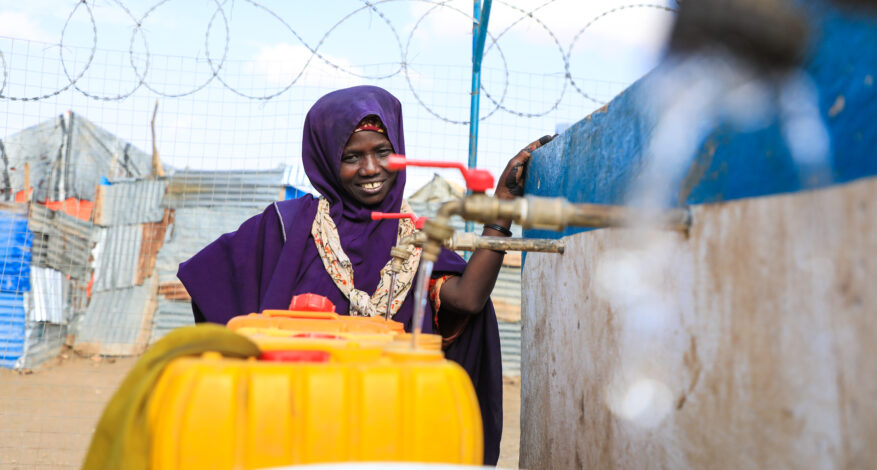
WASH: WARDI’s SHF Project Restores Water Infrastructure, Improves Sanitation in Beledweyne
May 2026, Beledweyne, Hiran – In the flood-affected communities and displacement settlements of Beledweyne district, access to clean water and safe sanitation has long shaped the daily realities of vulnerable families. Years of climate shocks, recurring floods, displacement, and weakened infrastructure have left thousands of households struggling to meet even their most basic water and hygiene needs. For families living in internally displaced persons (IDP) camps, the situation has been particularly difficult, with overcrowded conditions, limited sanitation facilities, and frequent exposure to waterborne diseases placing communities at constant risk.
To respond to these urgent needs, WARDI, with support from the Somali Humanitarian Fund (SHF), is implementing a one-year project titled “Provision of Life-Saving and Sustainable WASH Assistance to Vulnerable Communities in Beledweyne District, Hiran Region.” The project, which began in August 2025, is improving access to safe water, sanitation, and hygiene services for vulnerable host communities and displaced families across Beledweyne district through sustainable, community-centered interventions.
Through the project, WARDI rehabilitated two boreholes and two shallow wells, constructed two water kiosks and 63 latrines, distributed 500 hygiene kits and 50 sanitation sets, and supported community-led clean-up campaigns within displacement sites. Together, these interventions are helping communities move away from unsafe water sources, poor sanitation conditions, and disease risks that have affected daily life for years.
Rehabilitating Critical Water Infrastructure
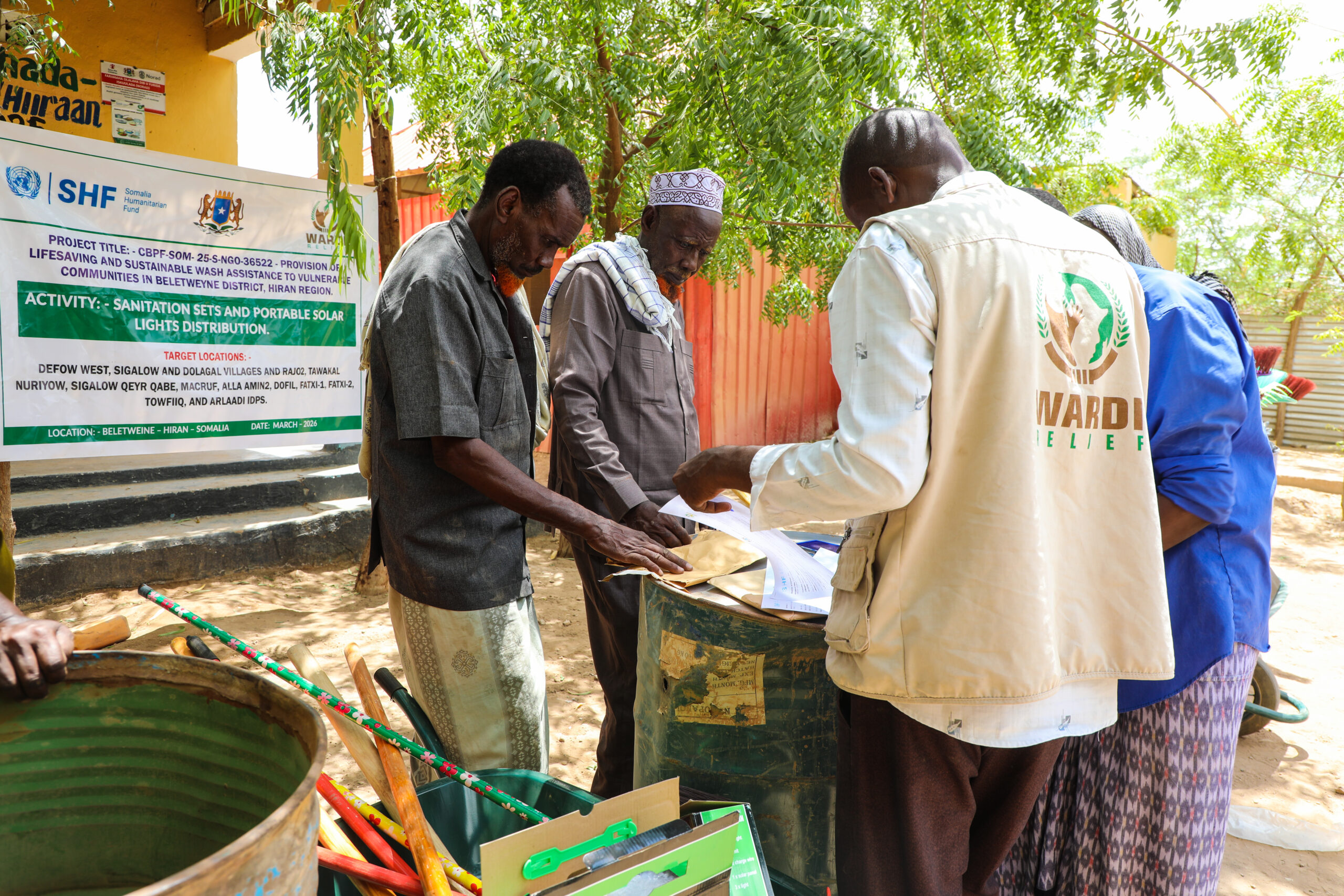
At Al-Furqan, one of Beledweyne’s critical boreholes had long struggled to function at full capacity despite serving large sections of the town, particularly residents of Howlwadag. Years of wear had left the generator unreliable and the solar system dysfunctional, limiting water production at a time when demand continued to rise.
“This water tower was in a bad state, and WARDI rehabilitated it,” explained Mohamed Dhicisow Abdi, a member of the local water committee. “The old generator was faulty, and when WARDI installed a new generator and solar panels, we realized the full potential of this borehole.”
Today, the rehabilitated system provides a more stable and sustainable water supply to surrounding communities. The introduction of solar energy has also reduced operational costs at a time when fuel prices continue to rise sharply.
“We use solar energy, especially when it is sunny. Because of the conflict in the Middle East and the high fuel prices, we only use the generator when there’s no sun.” He said.
In Doolagal village, the rehabilitation of a shallow well has transformed how families access water. Before the SHF project, many residents depended on river water despite the dangers associated with it, especially for women and children.
“This well was defunct. We used to fetch water from the river, but it’s risky for children and even for us. If this well hadn’t been rehabilitated, we would have risked our lives and probably died in the river,” explained Halima Marid Mohamed, a beneficiary of the rehabilitated well.
Bringing Safe Water Closer to Displaced Families
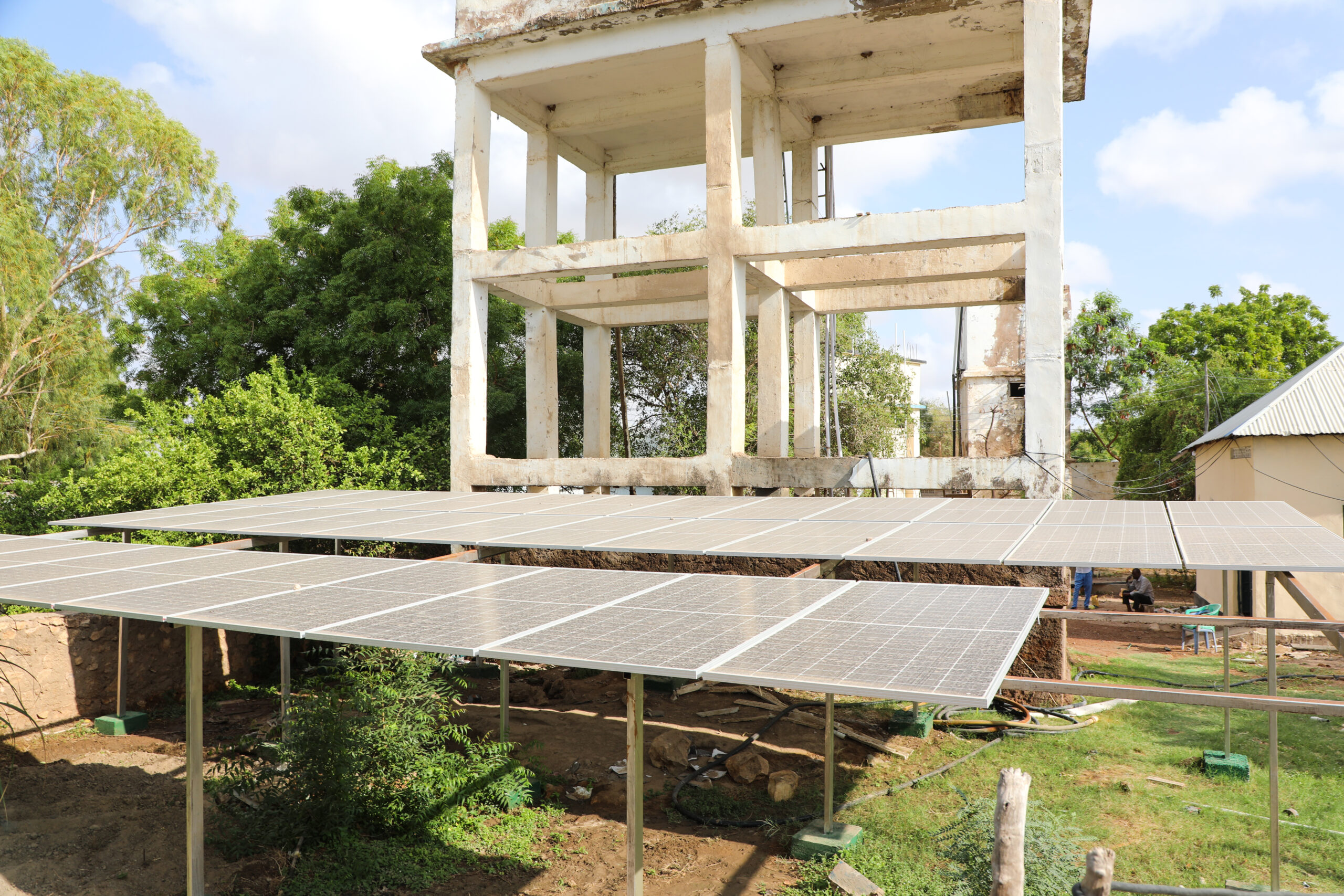
Closer to the displacement sites, the construction of water kiosks has brought immediate relief to families who previously traveled long distances in search of water. In Rajo 2 IDP camp, residents say the water kiosk has eased one of the biggest burdens facing women and children.
“We’re truly grateful to WARDI for constructing this water kiosk for us,” said Isnino Mahdi Farah. “We have enough water at the camp. We no longer buy water for our household needs.”
Before the kiosk was established, many women fetched water from neighboring communities where they often faced rejection and humiliation.
“We faced many challenges getting water before this kiosk was built,” recalled Sagal Mohamed Salat. “We used to fetch water from neighboring areas, and sometimes we would be chased away and humiliated. Even on the days we were allowed to fetch, we carried the jerrycans on our backs. This water kiosk has solved our challenges.”
Improved access to safe water has also contributed to better hygiene and health conditions within the camp.
“It’s really been a reprieve for us since we aren’t humiliated anymore,” Isnino added. “Even diseases such as diarrhea have reduced.”
Improving Sanitation and Hygiene Conditions
Recognizing that safe water alone could not fully address public health risks, the project simultaneously tackled the sanitation crisis affecting vulnerable communities. Across Beledweyne district, WARDI constructed 63 latrines to help communities move away from open defecation practices that had long exposed families to disease outbreaks and environmental contamination.
In Sigalow, residents described how the absence of proper sanitation facilities had worsened illnesses during rainy seasons when stagnant floodwaters mixed with human waste near homes and pathways.
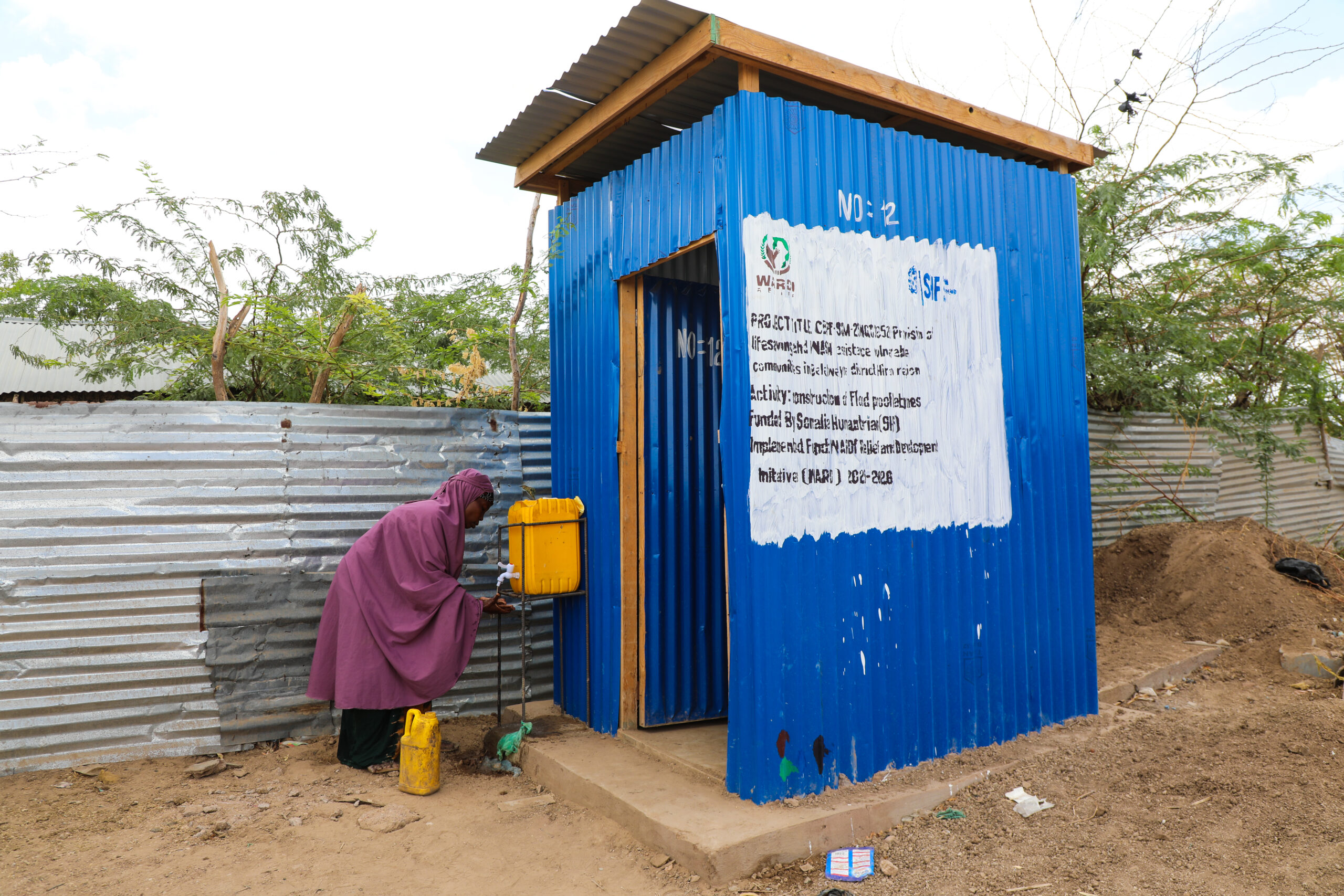
“There were many diseases, especially during the rainy season, because of open defecation,” explained Maryan Omar Hassan. “WARDI has constructed toilets for us and given us hygiene kits, including soap and buckets, to help us overcome this.”
The improved sanitation facilities have led to noticeable health gains, particularly among children, who are often most vulnerable to waterborne illnesses.
“These toilets have improved the overall health and sanitation of the camp,” said Fatuma Ahmed Ibrahim from Rajo 2. “Diarrhea and other diseases among children, particularly during the rainy season, have decreased.”
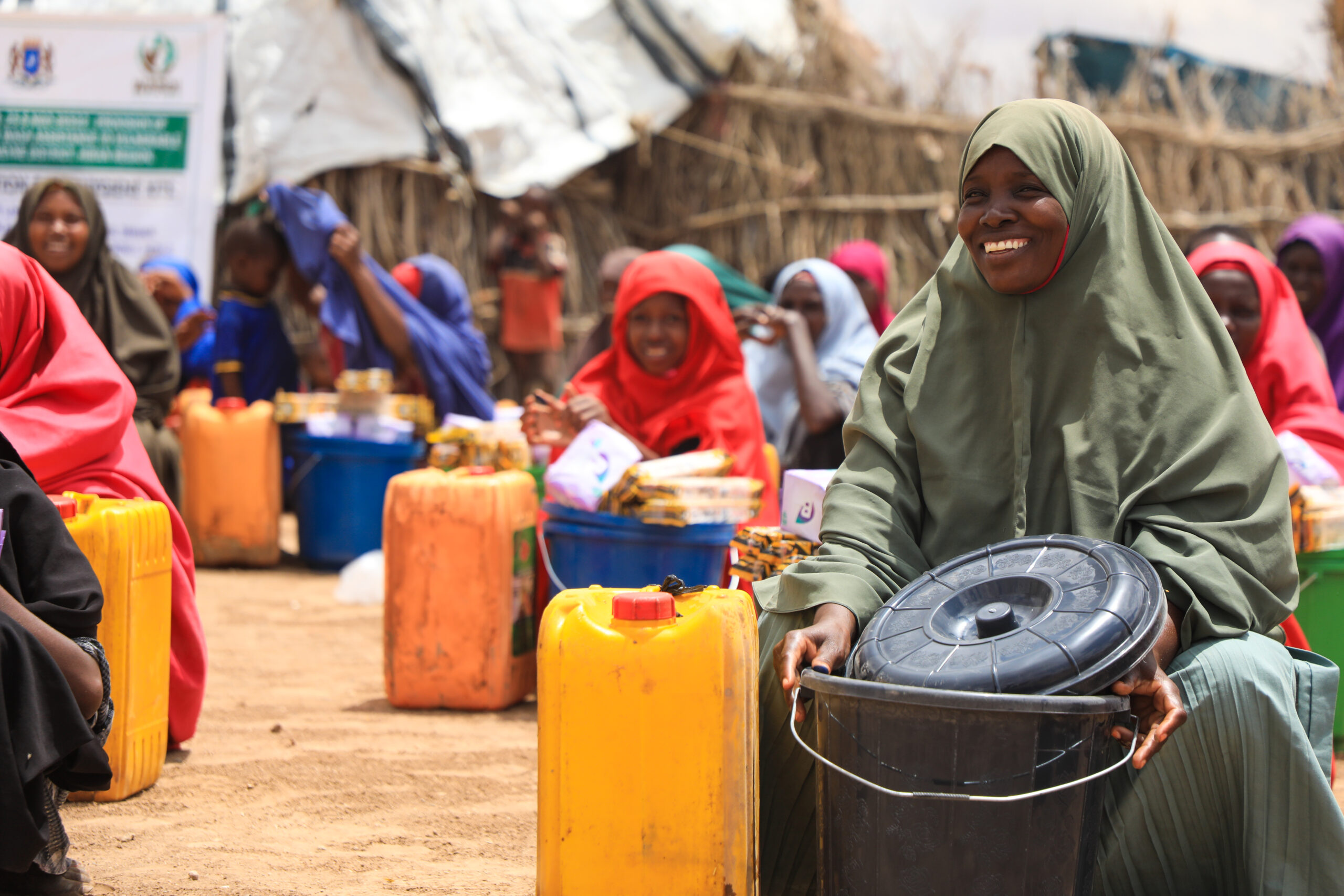
To further strengthen hygiene practices at the household level, the SHF project distributed 500 hygiene kits containing soap, buckets, and Aqua Tabs for water treatment to the affected households. The kits equipped families with essential materials needed to safely collect, store, and treat drinking water within their homes.
“In addition to the water kiosk, the SHF project has provided us with hygiene kits, including Aqua Tabs, soap, and buckets,” said Shurki Muse Ali.
Promoting Community-Led Environmental Sanitation
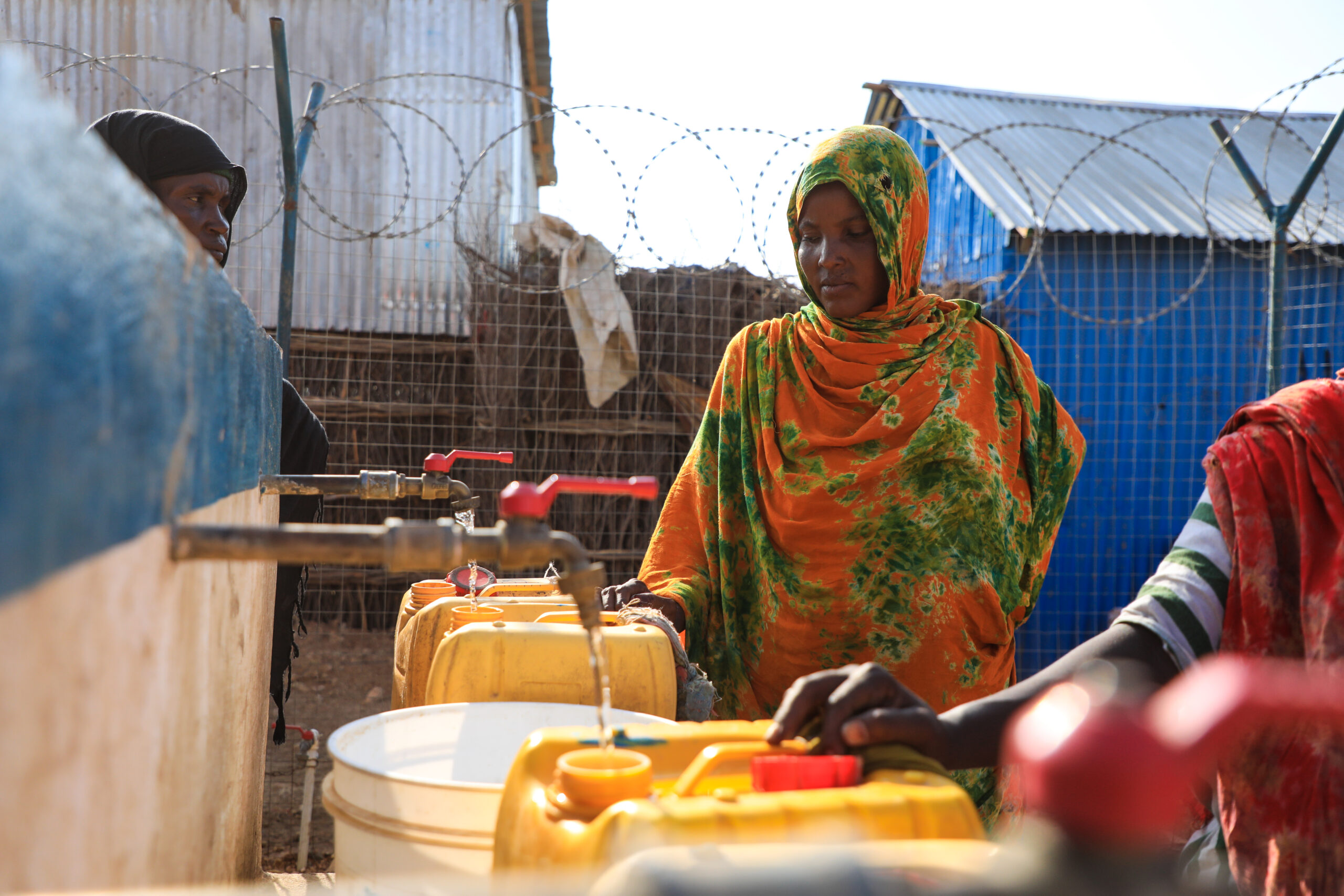
The project further strengthened environmental sanitation through the distribution of 50 sanitation sets containing wheelbarrows, spades, rakes, brooms, and incinerators. Unlike short-term clean-up campaigns driven externally, the initiative empowered communities themselves to take ownership of waste management and environmental cleanliness within displacement sites.
Before the intervention, large sections of Rajo 2 camp were heavily littered with waste, creating breeding grounds for disease and worsening already fragile living conditions.
“The camp was quite dirty and heavily littered,” recalled Habiba Abdullahi Hassan. “Disease outbreaks have reduced. These sanitation sets have been really helpful.”
Soon after receiving the equipment, residents organized themselves into clean-up groups and began conducting regular waste collection and disposal activities throughout the camp.
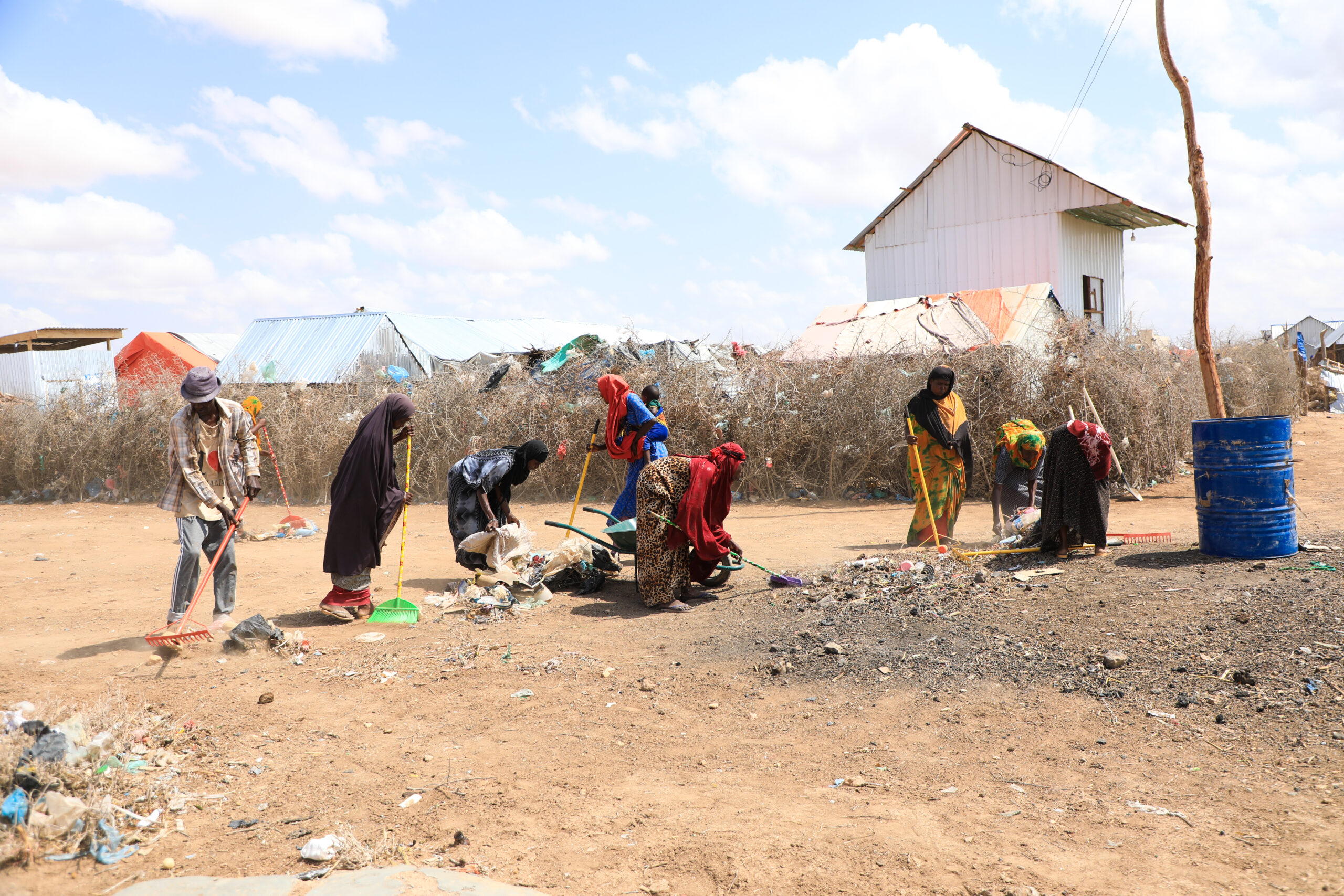
“We quickly assigned ourselves to clean the camp with the tools we’ve been given,” said Rahma Ali Mohamud. “As you can see, we’re now burning the trash in the incinerator.”
Community Resilience and Long-Term Impact
The success of the project has been strengthened by active community participation throughout implementation. Water committees, camp leaders, and beneficiary households have played an important role in maintaining water points, supporting hygiene promotion, and organizing sanitation activities within their communities. This local ownership has helped improve accountability, sustainability, and long-term impact.
Beyond the immediate humanitarian response, the SHF project has generated deeper social and economic ripple effects across targeted communities. Women and girls now spend less time searching for water. Families are spending less money buying water from private vendors. Cleaner environments and improved sanitation are reducing the risk of disease outbreaks, while access to safe water is restoring dignity and stability within displacement sites and host communities alike.
As the project continues toward completion in August 2026, its impact is already visible in the lives of vulnerable families across the district. Hundreds of families that once depended on unsafe water sources and lacked proper sanitation facilities are now accessing cleaner water, improved hygiene services, and healthier living environments closer to home.
 2100
2100
 30k
30k
 20
20